Safe to wear, but rough on the environment.
↳ Safe to wear; production isn't clean — donate when done.
Why this material grade?
This product scored 54/100 on the 7-axis material rubric, based on its composition of 7% Elastane, 93% Viscose. Blended from 7% Spandex, 93% Rayon — the score is a weighted average based on each material's proportion.
D (40-54): Below-average material composition — weak on durability or comfort.
Below average — consider alternatives
This fabric scores low on quality. It may pill, wear out quickly, or not feel great against skin. And when it does wear out, it'll sit in a landfill for decades. Look for higher-rated options.
Breakdown
Composition
7% Elastane, 93% Viscose
Plastic-based — sheds microplastics in wash
This fabric will take 200+ years to decompose. That means a shirt you buy today will still exist in the year 2226.
Dryer heat destroys spandex/elastane over time. Your leggings and stretchy clothes will last 2x longer if you skip the dryer.
The fashion industry produces 10% of global carbon emissions — more than aviation and shipping combined.
Network
Cost per wear
rough estimateStrong cost-per-wear
How we got there
Base for T-Shirts: 80 expected wears.
× 0.70 for Spandex (low-durability fiber, durability 37).
= 56 expected wears. $28 ÷ 56 ≈ 50¢/wear.
Missing GSM — this is a category-level estimate, not garment-specific. Expect ±30% variance.
Real life is messier than a formula: how often you wash, how you wash, whether you wear it inside-out, dry on low — all of it shifts the number. This is the ceiling under reasonable care.
Care Guide
Decode symbols →Wash
cold (30°C)
Bleach
Do not bleach
Dry
line dry
Iron
low
Dry Clean
avoid
Best For
Good comfort (77) and breathability (69) for sleeping
Better Alternatives
Higher-rated t-shirts products — each card shows how much better this alt scores vs your current product.
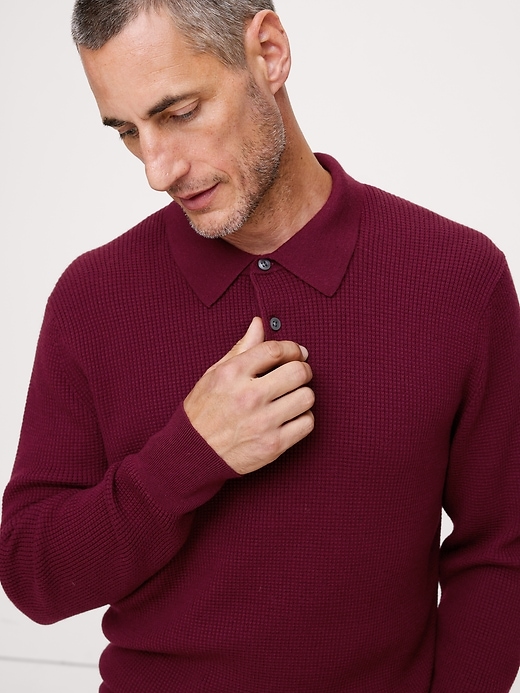
Banana Republic
Merino Waffle-Knit Sweater Polo
100% Merino Wool

Mate the Label
Tencel Sleep Oversized Tee
70% Tencel, 30% Organic Cotton

Mate the Label
Tencel Sleep Oversized Tee
70% Tencel, 30% Organic Cotton
Klättermusen
Fafne Tank Top Women's
57% Tencel, 38% Merino Wool
Tradeoffs
Health Impact
Microplastic shedding · skin-contact synthetic load · likely chemical treatments
Low health impact — predominantly natural fibers with no major treatment flags.
Very low
7% synthetic
No flags
Biodegradability
Not BiodegradableMaterials will persist in the environment for decades.
Health & environmental impact →What this score doesn't measure
- ×Fiber grade. Staple length, micronaire, strength. "100% cotton" could be short-staple upland or long-staple Pima — same label, very different fabric.
- ×Yarn processing. Singles count, ply (single vs two-ply), spinning method (open-end vs ring-spun vs compact), mercerization. Invisible from any label.
- ×Knit / weave structure. Single jersey vs interlock, knit tightness. A loose knit pills; a tight knit lasts.
- ×Fabric weight (GSM). One construction signal among several — and high GSM can come from loose cheap yarn just as easily as from fine tight yarn. We have it for blank manufacturers, rarely for retail.
- ×Pre-shrink processing. Sanforized cotton shrinks ~1%; non-sanforized can shrink up to 10%. Not visible from the composition tag.
- ×Construction quality. Stitch density (SPI), seam types, collar geometry, manufacturing tolerances (AQL). These often matter more than the fiber itself.
- ×Specific chemical loads. Health Impact flags "likely PFAS / possible formaldehyde" from composition × category — we don't lab-test individual SKUs.
We rate the fabric, not the garment. Composition is the floor of what you're guaranteed to be getting — most shoppers don't have that.
Action