
Safe to wear, but rough on the environment.
↳ Safe to wear; production isn't clean — donate when done.
Why this material grade?
This product scored 54/100 on the 7-axis material rubric, based on its composition of 90% Recycled Synthetic Down.
D (40-54): Below-average material composition — weak on durability or comfort.
Below average — consider alternatives
This fabric scores low on quality. It may pill, wear out quickly, or not feel great against skin. And when it does wear out, it'll sit in a landfill for decades. Look for higher-rated options.
Breakdown
This fabric will take 200+ years to decompose. That means a shirt you buy today will still exist in the year 2226.
The fashion industry produces 10% of global carbon emissions — more than aviation and shipping combined.
Network
Cost per wear
rough estimateReasonable cost-per-wear
How we got there
Base for Jackets: 200 expected wears.
× 0.70 for Down Alternative (low-durability fiber, durability 50).
= 140 expected wears. $125 ÷ 140 ≈ 89¢/wear.
Missing GSM — this is a category-level estimate, not garment-specific. Expect ±30% variance.
Real life is messier than a formula: how often you wash, how you wash, whether you wear it inside-out, dry on low — all of it shifts the number. This is the ceiling under reasonable care.
Care Guide
Decode symbols →Wash
warm (40°C)
Bleach
Do not bleach
Dry
tumble low
Iron
low
Dry Clean
avoid
Best For
Good warmth (65) for cold weather
Good comfort (61) and care ease (70) for casual wear
Better Alternatives
Higher-rated jackets products — each card shows how much better this alt scores vs your current product.
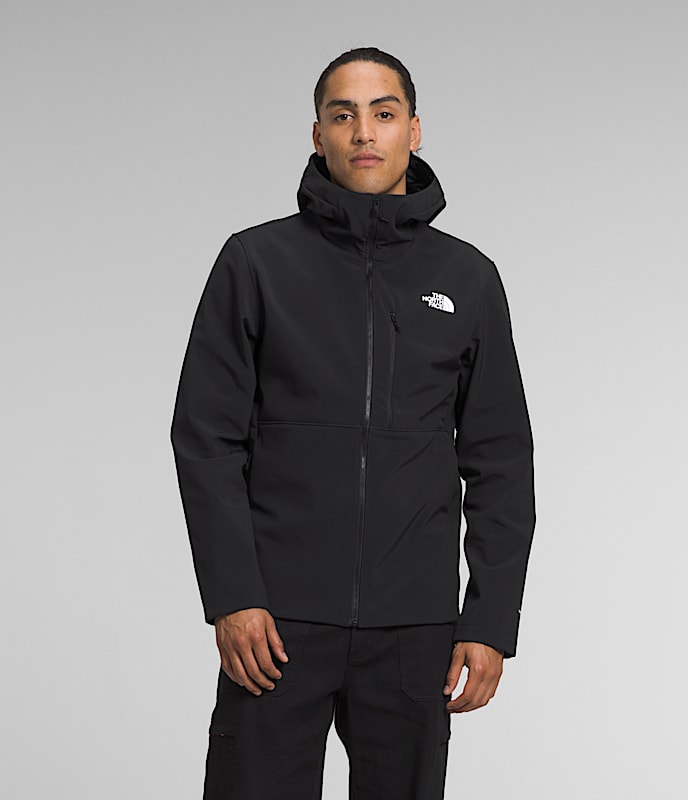
The North Face
Men’s Apex Bionic 3 Hoodie
100% Recycled Polyester

Icebreaker
Men's Merino 260 Quantum Long Sleeve Zip Jacket
100% Merino Wool

Icebreaker
Men's Merino 260 Quantum Long Sleeve Zip Hoodie
100% Merino Wool

Icebreaker
Women's Merino 260 Quantum Long Sleeve Zip Hoodie
100% Merino Wool
Tradeoffs
Health Impact
Microplastic shedding · skin-contact synthetic load · likely chemical treatments
Low health impact — predominantly natural fibers with no major treatment flags.
Minimal
0% synthetic
No flags
Biodegradability
Not BiodegradableMaterials will persist in the environment for decades.
Health & environmental impact →Label Confidence
LOWLabel confidence low — multiple signals suggest the composition may be incomplete, vague, or hard to verify. Treat scores as directional.
- ⚠"90% Recycled Synthetic Down" claim on a jackets item is unusual — outerwear typically has synthetic linings, padding, or DWR coatings that should be disclosed.
What this score doesn't measure
- ×Fiber grade. Staple length, micronaire, strength. "100% cotton" could be short-staple upland or long-staple Pima — same label, very different fabric.
- ×Yarn processing. Singles count, ply (single vs two-ply), spinning method (open-end vs ring-spun vs compact), mercerization. Invisible from any label.
- ×Knit / weave structure. Single jersey vs interlock, knit tightness. A loose knit pills; a tight knit lasts.
- ×Fabric weight (GSM). One construction signal among several — and high GSM can come from loose cheap yarn just as easily as from fine tight yarn. We have it for blank manufacturers, rarely for retail.
- ×Pre-shrink processing. Sanforized cotton shrinks ~1%; non-sanforized can shrink up to 10%. Not visible from the composition tag.
- ×Construction quality. Stitch density (SPI), seam types, collar geometry, manufacturing tolerances (AQL). These often matter more than the fiber itself.
- ×Specific chemical loads. Health Impact flags "likely PFAS / possible formaldehyde" from composition × category — we don't lab-test individual SKUs.
We rate the fabric, not the garment. Composition is the floor of what you're guaranteed to be getting — most shoppers don't have that.
Action